When you hear the name Maggie Wheeler, a very specific voice probably echoes in your mind—that unforgettable, nasal “Oh. My. God.” from Friends. But behind every great performer is often a partner who lives in a completely different world, one built not on sound stages and scripts but on raw materials, physical space, and the quiet power of three‑dimensional form. That partner is Daniel Borden Wheeler, an award‑winning sculptor whose work has quietly captivated the art world for decades. While his wife brought one of television’s most iconic characters to life, Daniel has been busy crafting objects that exist in the spaces between meaning and material, between the seen and the felt. His story isn’t one of Hollywood glamour; it’s a testament to the life of a dedicated artist who found his voice not in words, but in wood, metal, stone, and the occasional airplane wing submerged beneath the ocean. This is the story of a man who turned curiosity into a career, who built a family away from the flashing lights, and who continues to challenge how we think about art, ritual, and the objects that shape our lives.
Table of Contents
ToggleQuick Facts About Daniel Borden Wheeler
| Category | Details |
|---|---|
| Full Name | Daniel Borden Wheeler |
| Profession | Sculptor, Conceptual Artist, Designer |
| Known For | Award‑winning ceremonial sculptures, installations exploring life, death, and human connection |
| Birthplace | United States (exact city not publicly disclosed) |
| Date of Birth | Not publicly available |
| Age | Estimated to be in his 60s (based on marriage in 1990) |
| Parents | Not publicly disclosed |
| Siblings | Not publicly disclosed |
| Spouse | Maggie Wheeler (actress, known for Friends and Ellen) |
| Children | Two daughters: Gemma Wheeler and Juno Wheeler |
| Education | Art Center College of Design, Pasadena, California |
| Net Worth | Estimated to be comfortable, with income from sculpture sales, commissions, and installations; exact figure not publicly available |
| Website | wheelermade.com |
| Not actively maintained; prefers to keep a low profile | |
| Twitter / X | Not publicly available |
| Not publicly available |
Early Life and the Roots of Creativity
Daniel Borden Wheeler’s early years remain largely out of the public eye—a conscious choice that reflects his preference for letting his art speak rather than his personal history. What is known, however, paints a picture of a young boy whose curiosity was the seed of a lifelong artistic journey. Growing up in the United States, Daniel was the kind of child who didn’t just play with toys—he dissected them, rebuilt them, and wondered how they worked. According to the Los Angeles Times, his early curiosity was the driving force that eventually led him to become a conceptual artist.
He spent countless hours in his father’s workshop, a space that became his first studio. There, surrounded by tools, materials, and the smell of sawdust and paint, he transformed model kits into creations that were entirely his own. This hands‑on education wasn’t formal, but it was deeply formative. It taught him that objects could be more than what they appeared to be—they could be altered, reimagined, and given new meaning. That early exposure to making things with his hands planted a seed that would grow into a career defined by pushing boundaries and questioning assumptions about form, function, and purpose.
Though details about his family background are scarce, it’s clear that Daniel grew up in an environment that nurtured his creative instincts. His parents, whoever they were, allowed him the space to explore, to make mistakes, and to develop the kind of focused attention that would later define his artistic practice. This foundation of support and encouragement is something he has carried into his own family life, where he and his wife have created a home that values expression, creativity, and the beauty of handmade things.
Education and the Refinement of a Vision
While Daniel’s early tinkering gave him a feel for materials, it was his formal education that gave him the technical and conceptual framework to become the sculptor he is today. He attended the Art Center College of Design in Pasadena, California, one of the country’s most respected institutions for visual art and design. There, he honed his skills, learned the history of sculpture, and began to develop the philosophical approach that would come to define his work.
At Art Center, Daniel wasn’t just learning how to carve stone or weld metal—he was learning how to think about art. He was exposed to the ideas of minimalism, conceptual art, and the relationship between objects and the spaces they occupy. He studied how sculpture could be more than just a static thing to look at; it could be something to experience, to walk around, to touch, and even to climb on. This education gave him the vocabulary to articulate what he had always felt intuitively: that art should exist not in a vacuum, but in the messy, complicated space between opposing forces.
It was also during these years that Daniel began to develop his fascination with ceremonial objects and spaces. He became interested in how objects carry meaning beyond their physical form—how a chalice, a crown, or a simple stone can become a vessel for memory, ritual, and emotion. This interest would become the cornerstone of his career, leading him to create works that are not just beautiful to look at, but deeply resonant with the human experience of ritual and passage.
The Career of a Conceptual Sculptor
Daniel Borden Wheeler’s career is a testament to the power of following one’s curiosity, even when that curiosity leads to unconventional places. He is an award‑winning sculptor whose work revolves around ceremonial objects and spaces, exploring themes of life, death, and human connection. But to call him simply a “sculptor” is to undersell the breadth of his practice. He is a conceptual artist, a designer, a fabricator, and a creator of experiences that blur the line between art and life.
The Philosophy of the In‑Between
At the heart of Daniel’s work is a deep fascination with what he calls “the in‑between places.” On his website, he writes: “For most of my life I’ve been drawn to the in‑between places, places between earth and sky, or between water and earth, or between sky and water and earth, those amphibious places, the places that are not really one thing and not really another thing, but always shifting back and forth”. This philosophy is not just about physical spaces—it’s about the conceptual spaces between opposing forces, between meanings, and between what we think we know and what we feel.
He explains that he is less interested in binaries than in what happens between them. “Everything in our world, all of the universe, oscillates,” he writes. “Poles or binaries compel less than the movement between them”. This perspective informs every piece he creates. He wants his work to exist in two worlds at once, to oscillate between different ways of looking at it, to vibrate between its perceived purpose and its design.
This is why he loves puns—because they are always moving between two meanings, seeming to be both at once. The same goes for ambiguous words and ambiguous shapes. He wants his materials and images to exist in two worlds, to oscillate back and forth between different ways of looking at them. This is not just an intellectual exercise; it’s a way of making art that invites the viewer to participate in the creation of meaning.
Notable Works and Installations
One of Daniel’s most talked‑about pieces is “Untitled (Wing),” a work he created in 1970. The piece was designed to look like an eroded small airplane wing lying on the floor. To achieve the effect, he placed the “wing” under the ocean for six months, allowing barnacles and algae to form on the piece. The result was a sculpture that bore the marks of time, tide, and transformation—a object that carried within it the story of its own making.
This piece is emblematic of Daniel’s approach. He doesn’t just create objects; he creates situations in which objects become carriers of meaning. He believes that objects can carry meaning “however obliquely,” and that sculpture works best when it “acts upon the body in a way that supersedes the intellect”. In other words, his art is meant to be felt before it is understood, to bypass the rational mind and speak directly to the senses and the emotions.
Many of his installations invite physical interaction. Unlike the art you see in most museums, where you are asked to keep your distance, Daniel’s pieces often encourage touching, walking, climbing, and engaging. This is not just a gimmick; it’s a deeply held belief that art should be experienced, not just observed. By breaking down the barrier between viewer and object, he creates a more intimate, more personal encounter with the work.
Awards and Recognition
Over the years, Daniel’s extraordinary work has earned him several accolades. While he is not the type of artist who seeks the spotlight, his contributions to the field of sculpture have not gone unnoticed. His pieces have been featured in exhibitions and galleries, and his unique vision has been praised by critics and collectors alike. He is recognized not just as a skilled craftsman, but as a thinker who uses his art to ask profound questions about existence, ritual, and the human condition.
His marriage to Maggie Wheeler has brought him a certain level of public awareness, but those who know his work understand that his reputation is built on the strength of his art, not on his wife’s fame. He is, first and foremost, an artist who has dedicated his life to exploring the possibilities of form and meaning.
Personal Life: A Partnership Built on Shared Values
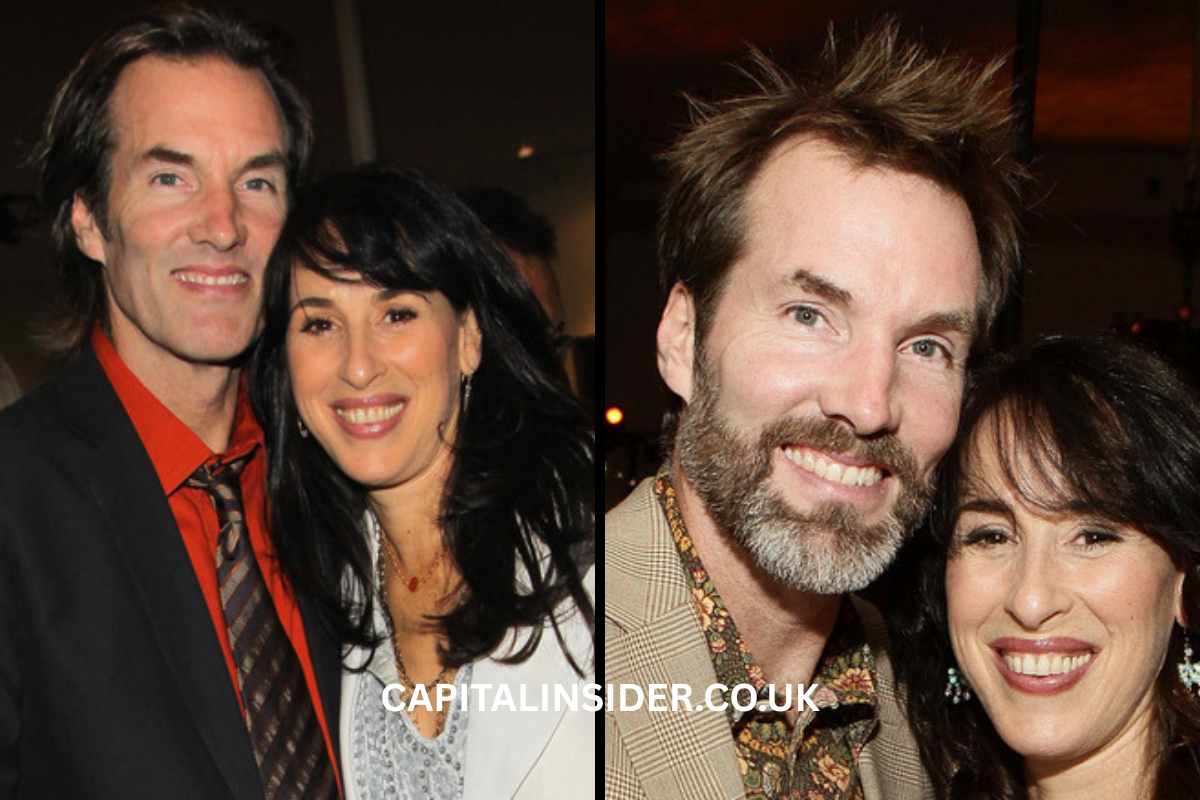
Daniel Borden Wheeler’s personal life is perhaps best known through his marriage to actress Maggie Wheeler. The couple married on October 20, 1990, in an intimate ceremony at Mattei’s Tavern in Los Olivos, California. At the time, Maggie was still building her career, and her most famous role as Janice on Friends was still a few years away. Their marriage has now lasted over three decades—a remarkable achievement in any field, but especially in the often‑tumultuous world of entertainment.
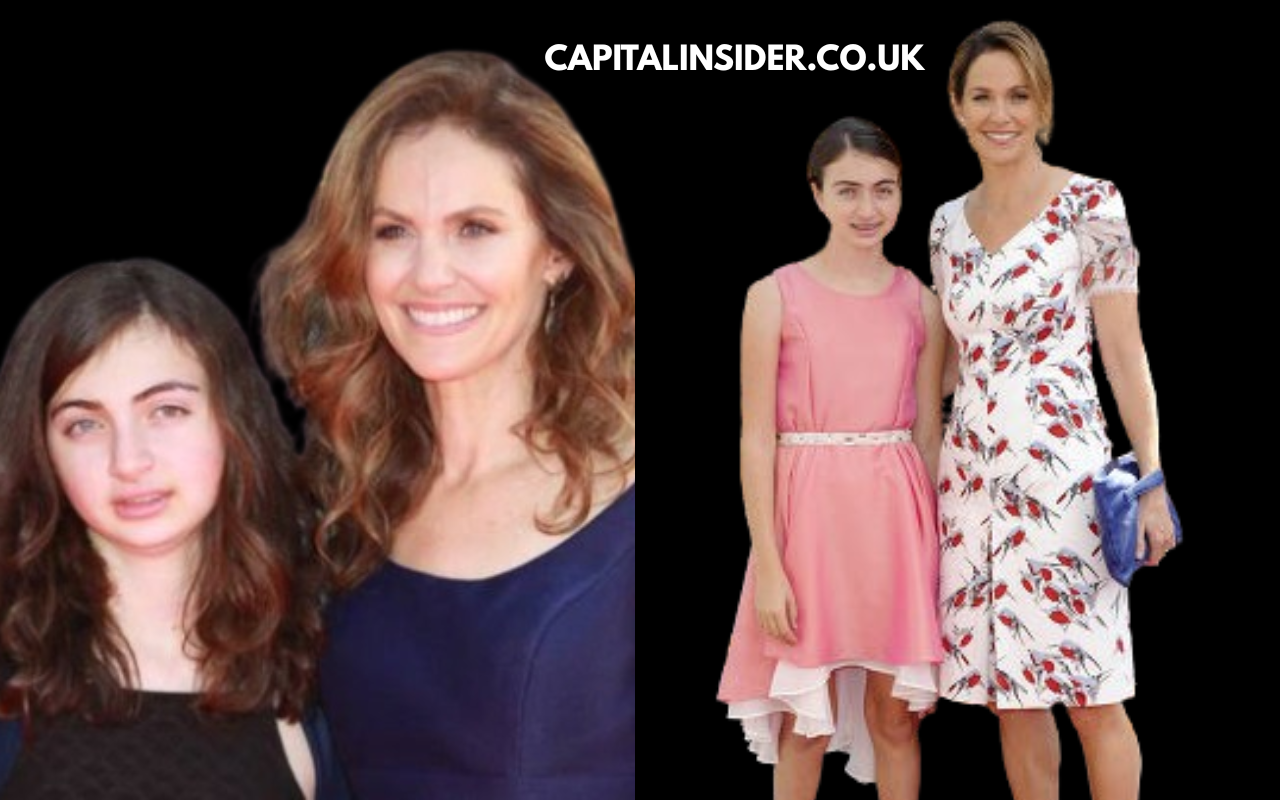
Together, they have two daughters, Gemma and Juno. The family has largely stayed out of the public eye, with both parents choosing to protect their children’s privacy. In 2020, Gemma briefly gained attention on TikTok for lip‑syncing her mother’s famous line from Friends, a moment that delighted fans of the show and gave a rare glimpse into the Wheeler household. But for the most part, the family has maintained a low profile, focusing on their shared values of creativity, expression, and the importance of creating spaces for others to be themselves.
Maggie has spoken about their relationship in interviews, noting that as a couple, they are both “involved and invested in creating spaces for people to express themselves”. She with her music and acting, he with his art. This shared commitment to creativity and expression is the bedrock of their partnership. They don’t just support each other’s careers; they share a philosophy about the importance of making space for others to find their own voices.
Daniel’s commitment to his family is as strong as his commitment to his art. He has managed to balance a demanding creative practice with the responsibilities of fatherhood and partnership, a feat that requires discipline, patience, and a deep sense of purpose. His life is a reminder that it is possible to be both a dedicated artist and a devoted family man, and that these two roles can enrich each other rather than compete.
Net Worth and Income Sources
When it comes to Daniel Borden Wheeler’s net worth, specifics are not publicly available. He is not the kind of artist who flaunts his wealth or seeks media attention for his financial status. However, based on his long and successful career as a sculptor, it is reasonable to assume that he has achieved a comfortable level of financial stability.
His income comes from several sources. First and foremost, he sells his sculptures to private collectors and galleries. His works are in demand, and his reputation as an award‑winning artist commands respectable prices. He also takes on commissions, creating custom pieces for clients who appreciate his unique vision. Additionally, he has worked on installations for public spaces, which can be lucrative and also serve to raise his profile.
His wife, Maggie Wheeler, has an estimated net worth of around $2 million from her acting career. Together, they have built a life that is financially secure, allowing them to focus on their creative pursuits without the constant pressure of making ends meet. But it’s clear that for Daniel, money has never been the primary motivation. His driving force has always been the work itself—the desire to create objects that resonate, that challenge, and that connect people to something larger than themselves.
Social Media and Public Presence
In an age where everyone seems to have a social media presence, Daniel Borden Wheeler stands out for his absence. He does not maintain active public accounts on Instagram, Twitter, or LinkedIn. His website, wheelermade.com, serves as the primary portal to his work and his ideas. There, visitors can read his artist statement, view images of his sculptures, and get a sense of the philosophy that drives his practice.
This deliberate choice to stay offline is consistent with his overall approach to life. He is not interested in fame or self‑promotion; he is interested in the work. He lets his sculptures speak for themselves, and he trusts that those who are meant to find them will do so. In a world that often equates visibility with value, Daniel’s quiet presence is a refreshing reminder that true art doesn’t need to shout to be heard.
That said, his wife Maggie is more active on social media, and she occasionally shares glimpses of their life together. Fans who follow her get the occasional peek into their world, but even then, Daniel remains mostly in the background—a supportive presence who prefers to let his wife shine in the spotlight while he continues his work in the studio.
Recent Updates and Future Projects
As of 2026, Daniel Borden Wheeler continues to create. While there have been no major public announcements about new projects, his website remains active, and his body of work continues to grow. He is likely still working on commissions, exploring new materials, and pushing the boundaries of his practice.
Given his long‑standing interest in ceremonial objects and spaces, it’s possible that he is working on pieces that respond to the current cultural moment—perhaps installations that explore themes of loss, connection, or the rituals that help us navigate uncertain times. His work has always been deeply human, and there is no shortage of human experience to draw from.
Looking to the future, it’s clear that Daniel will continue to do what he has always done: make art that matters. He is not the kind of artist who rests on his laurels or coasts on past successes. He is driven by curiosity, by a desire to understand the world through the act of making, and by a deep belief in the power of objects to carry meaning across time and space.
Conclusion: A Legacy of Quiet Power
Daniel Borden Wheeler’s story is not one of overnight success or viral fame. It is a story of patience, persistence, and the quiet power of a life dedicated to craft. For over three decades, he has been creating sculptures that challenge, inspire, and invite us to think differently about the objects that surround us. His work reminds us that art is not just something to look at—it is something to experience, to touch, to walk around, and to let into our bodies and our minds.
His marriage to Maggie Wheeler is a testament to the strength of partnership built on shared values. Together, they have created a life that prioritizes creativity, expression, and the importance of making space for others. They have raised two daughters, built a home, and supported each other through the ups and downs of careers in the arts. Their relationship is a reminder that love and art are not separate pursuits but deeply intertwined ways of being in the world.
As Daniel Borden Wheeler continues to pave the way for future generations of sculptors and conceptual artists, his story stands as a reminder of how resilience, curiosity, and purpose can shape a meaningful legacy. He may not be a household name, but his work speaks to something universal—the human need for ritual, for connection, and for objects that carry our stories long after we are gone. In a world that often values speed and spectacle, Daniel’s life is a call to slow down, to pay attention, and to find meaning in the spaces between.
Read this to: Brian Entin Age, Biography, Career & Net Worth: The NewsNation Correspondent Who Never Sleeps
Frequently Asked Questions (FAQs)
1. Who is Daniel Borden Wheeler?
Daniel Borden Wheeler is an award‑winning American sculptor and conceptual artist known for his ceremonial objects and installations that explore themes of life, death, and human connection. He is also the husband of actress Maggie Wheeler, famous for her role as Janice on the television sitcom Friends.
2. What is Daniel Borden Wheeler’s net worth?
Specific figures for Daniel Borden Wheeler’s net worth are not publicly available. However, his successful career as a sculptor, combined with his wife Maggie Wheeler’s estimated net worth of around $2 million, suggests a comfortable financial standing.
3. How long have Daniel Borden Wheeler and Maggie Wheeler been married?
Daniel and Maggie Wheeler have been married since October 20, 1990. Their marriage has lasted over three decades.
4. Does Daniel Borden Wheeler have children?
Yes, he has two daughters, Gemma and Juno Wheeler.
5. What kind of art does Daniel Borden Wheeler create?
Daniel creates sculptures, installations, and conceptual art that often focus on ceremonial objects and spaces. His work explores the in‑between spaces of meaning, inviting viewers to interact physically with his pieces. He is known for using unconventional materials and processes, such as submerging art in the ocean.
6. Where did Daniel Borden Wheeler study art?
He studied at the Art Center College of Design in Pasadena, California, where he developed his skills in sculpture and conceptual art.
7. Is Daniel Borden Wheeler active on social media?
No, Daniel does not maintain active public social media accounts. He prefers to keep a low profile and let his art speak for itself. His official website is wheelermade.com.
8. What is Daniel Borden Wheeler’s artistic philosophy?
Daniel is drawn to the “in‑between” spaces—places between opposing forces, meanings, and forms. He believes that objects can carry meaning obliquely and that sculpture works best when it acts upon the body in a way that supersedes the intellect. He resists strict categories and sees his work as part of a continuum of creative expression.
9. Has Daniel Borden Wheeler won any awards?
Yes, he is an award‑winning sculptor who has received recognition for his unique approach to ceremonial objects and spaces.
10. What are some of Daniel Borden Wheeler’s most notable works?
One of his most famous pieces is “Untitled (Wing),” a sculpture designed to look like an eroded airplane wing that he placed under the ocean for six months to allow barnacles and algae to form on it. Many of his works invite physical interaction and challenge traditional boundaries between art and viewer.